Primary keyword: holiday accident claim
Key takeaways
| Point | What it means for you |
|---|---|
| You may have a holiday accident claim. | If unsafe conditions caused your injury, the Occupiers’ Liability Act 1957 may apply in England and Wales. |
| Report the accident quickly. | Tell hotel staff, your tour representative or the business manager. A clear incident report can support your evidence. |
| Keep medical records. | The Limitation Act 1980 usually gives you three years to start a personal injury claim, subject to exceptions. |
| Package holidays may involve extra rights. | The Package Travel and Linked Travel Arrangements Regulations 2018 can provide a route to compensation where a package service falls below a reasonable standard. |
| Evidence matters. | Photographs, witness details, booking documents and medical notes can help establish what happened and who owed you a duty of care. |
| Early legal advice can protect your position. | Wolf Law offers personal injury guidance, including a no win no fee route where the circumstances and funding terms allow it. |
Introduction: can you make a holiday accident claim after a fall abroad?
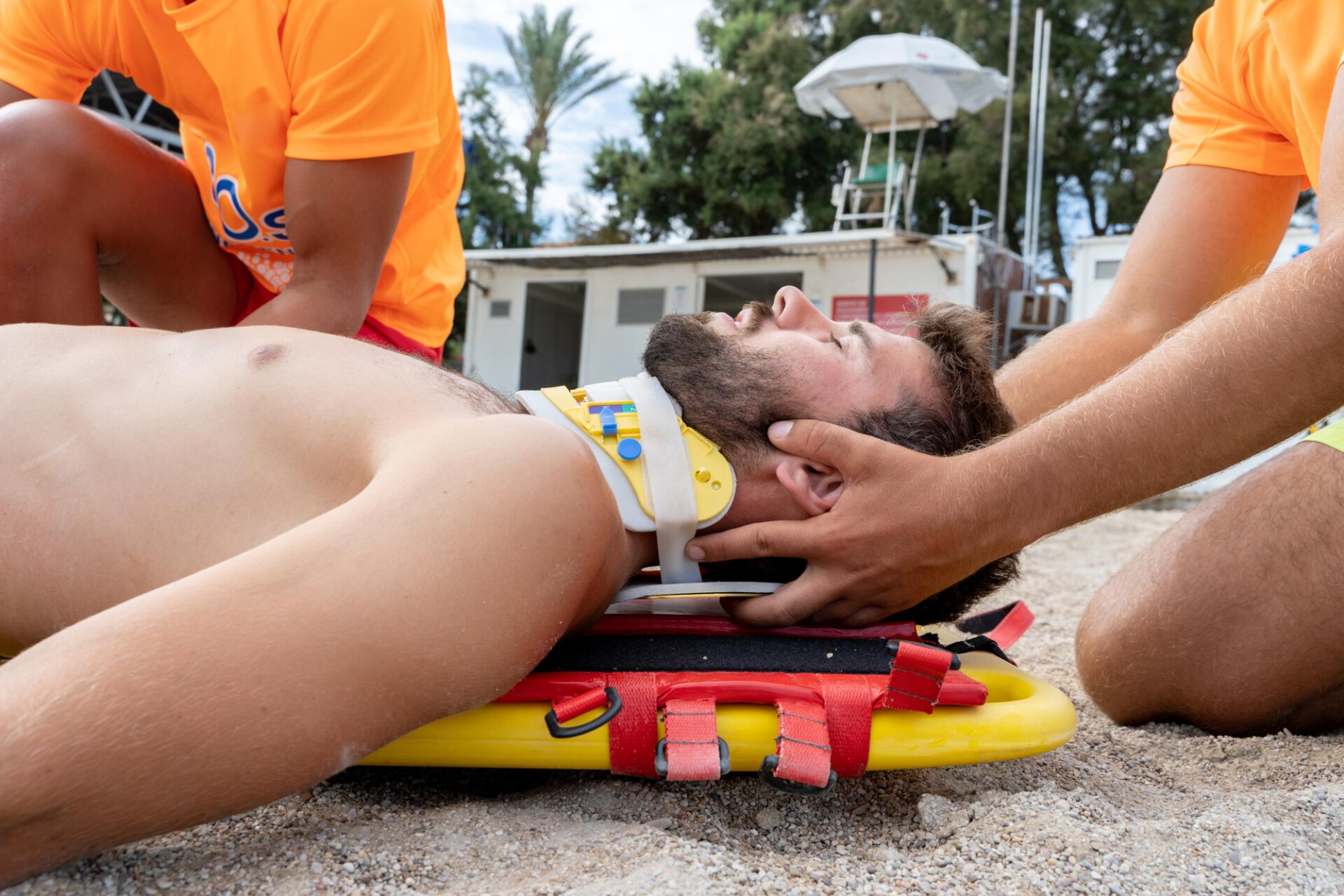
A holiday accident claim may follow a slip at a hotel, resort or restaurant. One traveller recently suffered a broken wrist after falling on a slippery surface at a holiday resort. The injury affected the rest of the trip and created problems after returning home.
That situation raises an important question. Who should pay when poor maintenance, a wet floor or a lack of warning causes an accident abroad? The answer depends on the facts, the country involved, the booking arrangements and the evidence available.
Wolf Law helps people understand their options after accidents on holiday. We look at the accident report, medical evidence, travel documents and the duties owed by the hotel, tour operator or other business. You can also read more about personal injury claim compensation and the steps that may apply to your case.
This article explains what to do after a holiday accident, how responsibility may work and why timing matters. First, consider the immediate steps that can protect your evidence.

Holiday accident claim evidence starts at the scene
Report the accident and record the conditions
The first key point is simple. Report the accident as soon as you can and record the conditions that caused it. Staff may clean or repair the area later, so photographs and witness details can become important.
Take clear photographs from different angles. Include the wider area, the exact hazard, nearby signs, lighting and any missing warning notice. If your phone records the date and location, keep the original files rather than relying only on screenshots.
An anonymised example shows why this matters. A claimant slipped near a pool where water had collected beside a walkway. The hotel later placed a warning sign in the area. Photographs taken immediately after the fall helped show that no warning appeared at the relevant time.
- Ask for a written accident report and keep a copy.
- Collect names and contact details for witnesses.
- Keep receipts for medical care, transport and extra accommodation.
- Write down what happened while your memory remains fresh.
Do not argue with staff or sign a settlement document without advice. A quick payment may appear helpful, but it could affect your ability to recover the full value of your losses.
Holiday accident claim responsibility after an overseas injury
Hotel, tour operator or another business?
Responsibility depends on who controlled the danger and which law applies. A hotel may owe duties to keep its premises reasonably safe. A tour operator may also have responsibilities where you bought a package holiday and the accommodation or another included service failed to meet the required standard.
The Package Travel and Linked Travel Arrangements Regulations 2018 can matter where a UK organiser sold a package containing services such as accommodation and transport. However, every case turns on its own contract and the place where the accident occurred.
For example, a claimant may fall because a hotel failed to repair broken paving. Another person may slip because staff left a wet floor without a warning. These cases can look similar, yet the evidence about inspection records, control of the area and booking terms may lead to different outcomes.
Official information from GOV.UK foreign travel advice can help you check local arrangements after an incident abroad. You can also review the relevant wording of the Package Travel Regulations.
Do not assume that an overseas accident automatically falls outside UK legal protection. A solicitor can assess the booking route, the responsible organisation and any jurisdiction clause before you take action.

Medical treatment and losses after a holiday accident claim
Keep a complete record of the effect on your life
Medical evidence often provides the foundation for a holiday accident claim. Seek treatment promptly, even if the injury first appears minor. A wrist fracture, back injury or head injury may worsen after the initial accident.
Ask for copies of medical notes, prescriptions, scan results and discharge documents. If you return to the UK, arrange appropriate follow-up care through your GP or another qualified clinician. NHS guidance on broken arms and wrists explains why assessment and treatment should not wait.
One claimant struggled to work after returning home because a wrist injury affected lifting, driving and everyday tasks. A detailed record of appointments, sick leave and support from family helped show the wider impact of the accident.
You should also keep evidence of financial losses. This may include:
- medical and rehabilitation costs;
- travel to appointments;
- lost earnings or reduced working hours;
- care provided by relatives; and
- changes to planned travel or accommodation.
Do not exaggerate your symptoms or losses. Clear, honest records usually carry more weight than estimates made long after the event.
Starting a holiday accident claim within the time limit
Why early advice can make a difference
The Limitation Act 1980 usually gives an adult three years from the accident date to begin personal injury court proceedings in England and Wales. Different rules may apply to accidents abroad, children, people who lack capacity and claims governed by another country’s law.
That time limit should not become your plan. Evidence can disappear, witnesses can become difficult to trace and businesses may change ownership. Early advice gives your solicitor time to identify the correct defendant, obtain records and assess the booking contract.
A holiday accident claim can involve more than one legal system. The contract may point to one country, the accident may have happened in another and the organiser may operate from the UK. A solicitor will consider those issues before advising on the best route.
Wolf Law can review your circumstances and explain the available funding options. Visit the firm’s contact page to arrange an initial discussion, or read the firm’s information about legal fees.
As a practical next step, gather your booking confirmation, accident report, photographs, medical records and receipts. Then seek advice before accepting a final payment or signing a release.


Frequently asked questions
Can I make a holiday accident claim if I slipped abroad?
Possibly. You may have a claim if an unsafe condition caused the accident and another person or organisation owed you a duty of care. The applicable law and responsible party will depend on the location, booking and evidence.
What if I did not report the accident at the hotel?
You can still seek advice. However, a late report may make the facts harder to prove, so gather photographs, witness details, medical records and booking documents as soon as possible.
Does a package holiday give me extra protection?
It may. The Package Travel and Linked Travel Arrangements Regulations 2018 can apply to package bookings sold by a UK organiser. Your solicitor will need to check the booking structure and the service that caused the injury.
Can I claim for lost earnings after a holiday injury?
You may be able to claim for proven financial losses linked to the accident. Keep payslips, employer correspondence, medical evidence and details of any reduced hours or missed work.
How long do I have to start a holiday accident claim?
Many claims in England and Wales have a three-year limitation period under the Limitation Act 1980. Overseas accidents and other circumstances may follow different rules, so early advice matters.
Can Wolf Law act under a no win no fee agreement?
Personal injury claims may qualify for a no win no fee arrangement, subject to assessment and agreed terms. Wolf Law will explain the funding position before you decide whether to proceed.
What should I do before accepting money from a hotel or insurer?
Ask for legal advice first. A payment or signed agreement may settle your claim and prevent you from seeking further compensation for continuing symptoms or losses.
Legal disclaimer: This article is intended for informational purposes only and does not constitute legal advice. For specific advice relating to your circumstances, please contact Wolf Law directly to arrange a consultation with one of our qualified solicitors.